 EN
EN
 Dansk
Dansk  Deutsch
  Español
  Français
  Hrvatski
  Indonesia
  Italiano
  Magyar
  Nederlands
  Norsk
Norsk  Polski
  Português
  Română
  Suomi
Suomi  Svenska
  Tiếng Việt
  Türkçe
  Čeština
  Ελληνικά
  Русский
  Українська
  български
  ไทย
ไทย  日本語
日本語  简体中文
简体中文  한국어
한국어  עברית
עברית  العربية
Are VPNs Worth It? Do You Need to Use One in 2026?

Curious about VPNs but don't know if you really need one? You've come to the right place. I've been researching VPNs for years, so I understand all the benefits—from staying safe and anonymous online to streaming global content. Let's weigh the pros and cons of VPNs, and I'll help you decide whether you need one.
I'll also show you what to look for when buying a VPN, as well as some of my favorites. Hint: My absolute #1 choice is ExpressVPN—it's fast, easy to use, and super secure. And you can try it out for 30 days risk-free with its money-back guarantee.
How Can a VPN Help You?
VPNs let you unlock everything the internet has to offer, all while keeping you safe and secure. Whether you want to make the most of your streaming services or are worried about your digital footprint, they're the ideal solution.
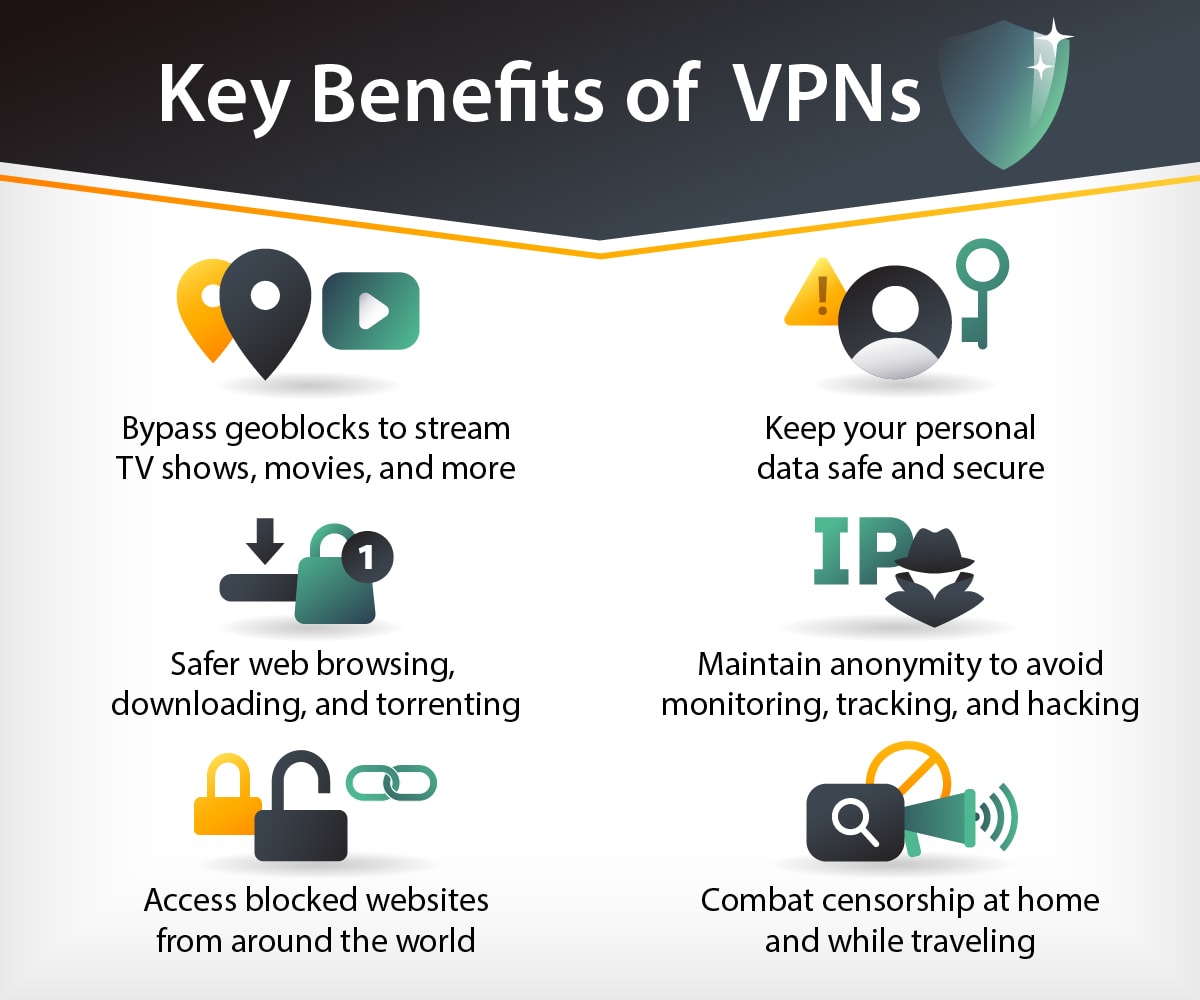 VPNs make it easier and safer to access everything on the internet.
Bypass Geoblocks and Stream Without Restrictions
Lots of websites and streaming platforms lock down their content to specific regions. This is called geoblocking, and it prevents you from accessing content from around the world.
This is why viewers outside of the UK can't watch BBC iPlayer and streamers in Australia, Europe, and even Canada can't take advantage of Netflix's massive US catalog.
A VPN helps you get around these unfair restrictions by letting you connect to a server in a different country. When you do this, you'll get a temporary new IP address that makes it look like you're in another country.
With a new IP address, you can access movies, TV shows, and websites that were previously off-limits.
Better yet, your online activity is also hidden from your internet service provider (ISP). This means that you don't have to worry about your ISP slowing down your connection whenever you do resource-heavy activities like streaming and torrenting.
Keep Your Data Safe and Secure
When you use a VPN, your traffic travels from your device to its destination in an encrypted tunnel. The encryption that premium VPNs like ExpressVPN use is so sophisticated that it's virtually impossible to break.
That means no one can see the data you send or receive—not your ISP, government officials, or even hackers and identity thieves. When you use a VPN, it's almost as if you're invisible while online.
The benefits of this protection touch nearly everything you do on the internet, from online banking and shopping to checking email and accessing social media. Your credit card numbers, passwords, sensitive files, and other personal information are shielded, even if you connect to the internet from an unsecured public network, like the free WiFi at your favorite coffeehouse.
Avoid Monitoring and Tracking
You may be surprised to know that lots of entities follow your every footstep when you're online. ISPs monitor your traffic and throttle it if you're using too much bandwidth; marketers use cookies and other trackers to see what you do on the internet so they can try to sell you more stuff, and hackers and identity thieves set up traps and malware in an effort to steal your personal info.
Worse, some companies and websites set up detailed profiles about you, cataloging your behavior, age, location, gender, interests, and more—just by spying on your browsing habits. They then sell the data to other sites.
A VPN helps you avoid monitoring and tracking by anonymizing your online presence. Some VPNs, like CyberGhost, also include additional ad, tracking, and malware blockers to protect you from malicious sites, viruses, and other online threats.
Avoid Government Censorship
In many countries, internet restrictions are intense. The Chinese government, for example, heavily limits the sites you can access when you're within its borders, effectively banning services like Google, WhatsApp, YouTube, and all streaming platforms. They even regulate the use of VPNs, and these rules apply to both residents and visitors.
In these countries, a quality VPN is vital because there are often heavy fines if you're found accessing something you're not supposed to.
The best VPNs come with obfuscation technologies that hide the fact that you're using a VPN, fooling ISPs into thinking you're just a regular internet user. This means you can combat government censorship and access the content you want to see.
How Do You Know If a VPN Is Worth It?
There are hundreds of VPNs out there, and they're not all built the same. It's important to do some research to actually find one that's effective and worthy of your money. Why pay for a service if it can't break through geoblocks or doesn't adequately hide your online traffic?
Likewise, it can be tempting to sign up for a free VPN—why pay when you can get all these benefits for nothing? Unfortunately, free VPNs don't work that way.
While you may not pay out of pocket for a free service, you'll pay in other ways, usually in terms of your online security—the exact thing a VPN is designed to protect.
Free VPNs also come with other frustrating restrictions, like limited server access, poor speeds, and data caps. Most of the time, they can't even unblock popular streaming sites.
Here are some factors to consider when considering a premium VPN:
- High-level encryption: Keeps your data secure—most VPNs offer 256-bit AES encryption, the strongest protocol available.
- No-logging policy: Guarantees that VPNs won't store your data or browsing habits so you and your activity stay anonymous.
- Fast speeds: Even over long distances, you'll enjoy quick browsing, fast downloads, and high-quality streaming.
- Servers in your desired location: Stream from anywhere you want. For example, if you want to unblock Netflix US from the UK, you need a VPN that has quality US servers.
- Reliability for unblocking sites: Top VPNs can unblock popular streaming providers like Netflix, Hulu, BBC iPlayer, Sling TV, and Disney+.
- Automatic kill switches, ad blockers, and DNS/IP leak protection: These features add extra layers of online protection.
- Wide compatibility: Use your VPN on all popular platforms and devices, from Windows computers to Apple phones.
- Unlimited data: You don't want that TV show or download to stop halfway through due to data caps.
The Best VPNs - Quick Overview (Updated 2026)
I'm constantly testing and retesting hundreds of VPNs, carefully evaluating their features, performance, and reliability. The VPNs on this list are affordable and worth the investment because they offer the best features with guaranteed performance, no matter why you need a VPN.
FAQs
Are VPNs legal?
VPNs are legal in most locations around the world. There are some countries that restrict the use of VPNs, though, including China, Turkey, and Russia. In these countries, even accessing a VPN's website is difficult, nevermind using one.
Remember, even if VPN use is permitted in the country you're in, it's still illegal to use it for illegal activity.
Do I need a VPN at home?
A VPN isn't only designed to protect you while you're on the go. While they provide protection on public WiFi networks, they also offer many benefits even in the security of your own home.
Using a VPN from home can help you bypass tough geoblocks so you can stream another Netflix library from your laptop, for example. And they still protect your online security, keeping you safe from hackers, ads, tracking, and any other snoopers looking to get a hold of your information.
A VPN also hides your IP address, which means no one can find out your home location.
Should I leave my VPN on all the time?
It depends where you are and what you need your VPN for. I recommend leaving your VPN on if you're somewhere like China, because you can't risk forgetting to switch it on and leaking which sites you're trying to access.
If you regularly take your device on the go and connect to public networks, it's a good idea to leave your VPN switched on so you have extra protection from hackers.
A lot of VPNs, including ExpressVPN, offer split tunneling so you can still use certain apps with your local IP address—meaning you get the best of both worlds without having to switch off your VPN.
Can't I just use a free VPN?
I wouldn't recommend a free VPN. There are some somewhat reliable ones out there, but they can't compete with premium services. A free VPN never offers the complete package—even the better ones limit your available servers, restrict bandwidth, and employ data caps. But that should be the least of your worries, because there are a lot of free VPNs that suffer from poor security and encryption, putting you at risk of leaks.
It's also important to consider how free VPNs make money without charging for their services. Some do so by including annoying popup ads or by logging and selling your data to third parties.
You can find plenty of affordable, premium VPNs that cost as little as $2 a month, and they don't restrict you in any way. You're guaranteed full service with no limits, and you know you're always secure. If you're still unsure, take advantage of a money-back guarantee—it's just like getting a free trial.
What's the best VPN?
I'm constantly testing hundreds of VPNs to find you the best service. I have a few firm favorites that always pass my stringent testing, but my top choice is ExpressVPN. Not only is it super secure, fast, reliable, and powerful enough for unblocking any site you need, but it offers plans at incredibly low prices, too.
The Bottom Line
High-quality VPNs allow you to bypass geo-restrictions so you can stream from the most popular platforms. They can also help you combat online censorship, protect you from monitoring and tracking, and ensure your sensitive data stays private. They do all this while keeping you safe from malware, hacking, and identity theft.
While there are several premium VPNs that I'm happy to recommend, my favorite is ExpressVPN because it offers the best combination of functionality and price.
Your online activity may be visible to the sites you visit
Your IP Address:
216.73.216.179
Your Location:
US, Ohio, Columbus
Your Internet Provider:
Some sites might use these details for advertising, analytics, or tracking your online preferences.
To protect your data from the websites you visit, one of the most effective steps is to hide your IP address, which can reveal your location, identity, and browsing habits. Using a virtual private network (VPN) masks your real IP by routing your internet traffic through a secure server, making it appear as though you're browsing from a different location. A VPN also encrypts your connection, keeping your data safe from surveillance and unauthorized access.
About the Author
Elly is an experienced writer in digital technology. With an avid interest in researching the latest cybersecurity and technology trends, Elly is committed to helping vpnMentor's users find the very best VPN and maintain their online privacy.
Please, comment on how to improve this article. Your feedback matters!